
10 Startling Effects of Sleep Deprivation
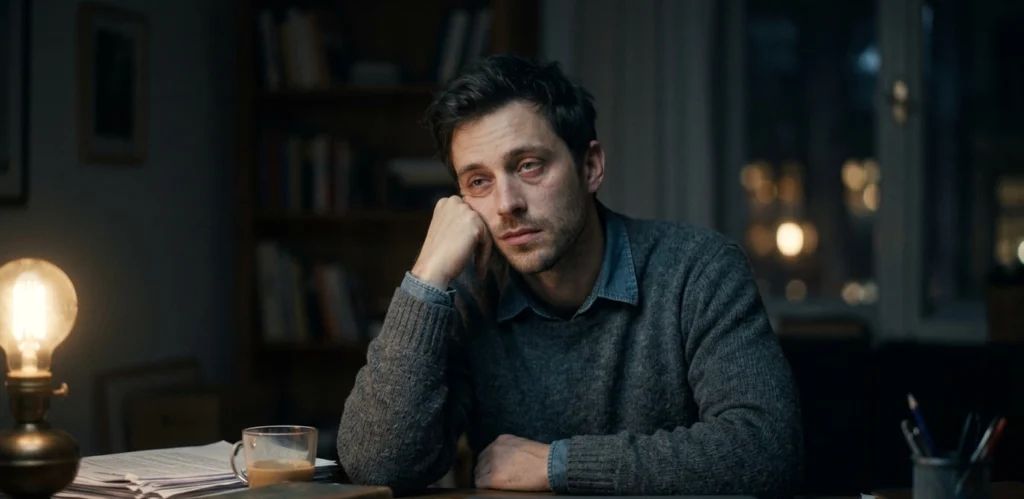
Sleep deprivation does more than leave you groggy at breakfast. In controlled studies, even healthy adults develop measurable changes in attention, pain perception, glucose regulation and immune function when sleep is restricted. Some effects appear after one bad night; others accumulate when five- or six-hour nights become routine.
“Sleep deprivation” can mean complete loss of sleep, chronic short sleep or fragmented sleep. That distinction matters: staying awake for 24 hours is not identical to losing 90 minutes nightly for six weeks. The following findings describe the conditions used in the cited research.
1. You Can Become Dangerously Impaired Without Realizing It
In a landmark laboratory study, adults assigned only six hours in bed each night showed worsening lapses in attention across 14 days. Yet their subjective sleepiness increased comparatively little after the first few days. In other words, performance kept deteriorating after participants had largely stopped noticing the change. Feeling accustomed to short sleep does not demonstrate that your brain has adapted to it.
2. One Sleepless Night Can Impair You Like Alcohol
Research summarized by the National Institute for Occupational Safety and Health compares 17 hours of sustained wakefulness with performance at a blood-alcohol concentration of approximately 0.05%. At 24 hours awake, impairment was comparable to a BAC of 0.10%—above the 0.08% legal driving limit used throughout the United States. Reaction time, judgment and coordination can all suffer even though no alcohol was consumed.
3. Your Brain May Switch Off for Seconds
Severe sleepiness can produce microsleeps: brief, involuntary episodes in which the brain enters sleep despite the person appearing to be awake. A driver may keep their eyes open but fail to process the road for several seconds. At 65 mph, a four-second lapse carries a vehicle about 380 feet. Opening a window, increasing the radio volume or drinking caffeine does not reliably prevent these episodes.
4. Your Memory Can Acquire Events That Never Happened
Sleep loss does not merely make information harder to recall. It can make inaccurate information feel familiar. In one experiment, sleep-restricted participants were more likely to report seeing nonexistent news footage and more susceptible to misleading details introduced after an event. This has obvious implications for eyewitness accounts, workplace investigations and arguments conducted after an overnight shift.
5. Ordinary Experiences Become More Emotionally Charged
Functional MRI research found that one night without sleep amplified the amygdala’s response to negative images while weakening its normal connection with the medial prefrontal cortex, which helps regulate emotional reactions. That provides a biological explanation for why a mildly critical email or an impatient customer can seem disproportionately threatening after a sleepless night. The effect is not simply “being in a bad mood”; emotional control itself is altered.
6. The Same Stimulus Can Hurt More
In controlled experiments, sleep-deprived participants became more sensitive to heat, cold and pressure. Brain imaging also found increased activity in regions involved in sensing pain and reduced activity in regions associated with pain modulation. This relationship can become self-reinforcing: pain interferes with sleep, and disrupted sleep can make pain harder to tolerate the following day.
7. Your Cells Respond Less Effectively to Insulin
After healthy adults were restricted to five hours in bed for one week, researchers measured a significant reduction in insulin sensitivity. A more recent trial involving women found that reducing habitual sleep by 90 minutes for six weeks also increased insulin resistance, with a larger effect among postmenopausal participants. These experiments do not mean that several short nights cause diabetes, but they show that sleep loss can directly disturb glucose regulation before a person notices any symptoms.
8. A Vaccine May Produce a Weaker Antibody Response
Sleep surrounding vaccination appears to influence the immune response. A meta-analysis covering influenza and hepatitis vaccinations found that sleeping fewer than six hours was associated with a reduced antibody response, particularly in men. Earlier controlled studies similarly found weaker early antibody responses after sleep restriction. Sleep is not a substitute for vaccination, but arriving severely sleep-deprived may make the immune system’s training session less productive.
9. Your Odds of Catching a Cold Can Rise Sharply
Researchers monitored 164 adults’ sleep and then exposed them to rhinovirus under quarantine. Participants who had averaged fewer than six hours of sleep were more than four times as likely to develop a clinical cold as those sleeping more than seven hours. Because sleep was measured before viral exposure, the result cannot be dismissed as sick participants simply sleeping poorly.
10. Prolonged Wakefulness Can Produce Hallucinations
A systematic review of historical sleep-deprivation studies found that perceptual distortions often began within 24 to 48 hours without sleep. With continued wakefulness, participants reported visual, tactile and auditory hallucinations, disordered thinking and, eventually, delusion-like experiences. These findings involve extreme deprivation—not an ordinary late night—but they demonstrate how completely prolonged sleeplessness can disrupt the boundary between perception and reality.
Persistent sleep loss should not automatically be blamed on schedule or self-discipline. Loud snoring, choking during sleep, witnessed breathing pauses, morning headaches and daytime sleepiness can indicate obstructive sleep apnea. In that situation, spending more time in bed may not correct the repeated interruptions. A clinically interpreted sleep test can determine whether abnormal breathing is preventing sleep from doing its work.
References
- Van Dongen et al.: The Cumulative Cost of Additional Wakefulness
- CDC/NIOSH: Impairment From Sleep Deprivation and Alcohol Intoxication
- CDC/NIOSH: Drowsy Driving
- Association for Psychological Science: Sleep Deprivation and False Memories
- Goldstein and Walker: The Role of Sleep in Emotional Brain Function
- Columbia University Irving Medical Center: Shortened Sleep and Insulin Resistance in Women
- Rayatdoost et al.: Sleep and Vaccine Efficacy
- Prather et al.: Sleep and Susceptibility to the Common Cold
- Waters et al.: Sleep Deprivation, Hallucinations and Psychosis